
Suicide in Widowhood: How Do Widows Survive? | Hope Speaker
- Rachel Powell

- Apr 22
- 5 min read

Suicide in Widowhood is a Risk (And It's Often Missed)
Hey friend… today we are talking about something that is a very real danger for those widowed—and it's not talked about enough.
Suicide in widowhood.
Widows and widowers are dying by suicide at high rates. This is not rare, it’s a devastating statistical reality. Studies across countries—and here in the U.S.—are showing that losing your spouse increases your risk of dying by suicide.
The Life Change Index Scale actually ranks losing a spouse as the number one life stressor... And it makes sense, because widowhood doesn’t just affect one part of your life. It impacts everything:
You may suddenly become a solo parent
A solo provider
Your planned future is changed or lost
You don’t even have an emergency contact anymore
And so many other losses
The ripple effects hit your mental health, your emotional state, your spiritual life, your physical health—every single area.
So when we talk about depression in widowhood or the widow suicide rate, it is serious topic that requires us to look honestly at the issue, but more importantly, at ourselves.
And if your spouse died by suicide, the risk is even higher. Some studies show that spouses of those who died by suicide are at three times higher risk themselves.
This is something we cannot ignore. We have to see it clearly.
Because prioritizing this—taking it seriously—literally makes the difference between life and death. Our life and death.
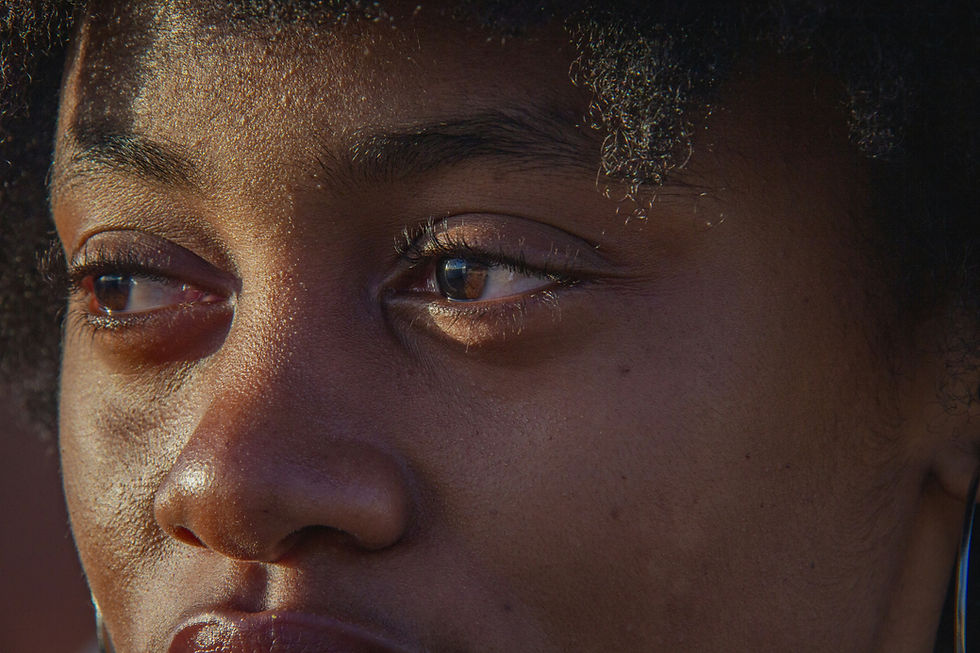
A Right View of Your Life (It's Worth Saving!)
Here’s where I want to speak directly to you, sister.
If you are a widow… you are at higher risk.
And this is not something to take lightly. I know this from experience as a suicide widow who went on to attempt twice myself.
After I lost my husband, I remember saying over and over, “We would have done anything.” Anything for him to stay.
We would have emptied the bank account.
Used all the savings.
Moved. Changed anything and everything.
Nothing would have been too much.
But when it came to me? That same mindset didn’t show up.
Instead, the objecting thoughts sounded like this:
I don’t have the money
I don’t have the time
I don’t have the energy, especially in grief
I have kids to take care of, all by myself
And those objections felt completely reasonable... But they were still barriers.
And I ran myself into the ground… until my last suicide attempts as a widow became my turning point. That was when I realized—I needed to invest in my own healing.
And I hear these same objections from widows all the time. So please hear me clearly:
You have to see your life as valuable as you saw theirs! You are worth every resource.
Because if you are struggling with suicidal thoughts after your spouse dies, this is not something to wait on.
Suicide is a slippery slope. The more time you spend in it—even thinking you have control—you can slide when you’re triggered. This is how it can happen.
So if you’ve had any thoughts of not wanting to live anymore?
Now is the time to decide something different.
Not later. Not when it gets worse.
Now.

What Actually Helps (Practical Steps for Support)
So what does this look like… practically? If we’re going to take this seriously, we need real action... not just to read about it and carry on the same.
1. Therapy Should Not be Optional in Suicidal Ideation
If you are struggling with thoughts of suicide in grief, I believe in taking action toward prevention.
I highly recommend therapy. I did it weekly for five years, personally, and it is part of the reason I'm still here!
Please don't roll into the objections yet! Let me offer you a resource to help you find someone that works for you.
Go to: www.PsychologyToday.com
At the top, click on "Find a Therapist"
Enter your city or zip code
Then, select the blue "All Filters" button. You can filter by:
Price
Insurance
Location
Specialty
Faith
You can find help in depression and suicidal thoughts in widowhood. ❤️🩹
2. Give Yourself Support- Beyond One Hour a Week
One session a week is a blessing, but not always enough in a time of intense struggle or a devastating season.
When you have only one hour of honest presence, co-regulation and encouragement, trying to “hold it together” the rest of the week on your own can be so heavy.
It can even be where things break down. That is why I not only recommend, but have created Coaching support that comes alongside outside of a single session. My widow clients can reach out to me outside of our sessions, and find that I'll meet them right where they are- as someone who truly "gets it," and understands the struggles of widowhood. No judgement.
I personally believe in the power of another widow sister who can come alongside you during the week—not just during a scheduled time. One that isn't just a friend, but a guiding support- a Coach.
I recommend, and became a Coach, because it personally changed so much in my life, in addition to therapy.
3. Find the Right Kind of Community to Surround You
There are grief groups.
Suicide support groups.
Spouse loss groups.
But not all of them are healthy! It's unfortunately common in grief to "affirm one another's devastation to our own detriment." Meaning pain becomes our identity, and being stuck in hopelessness is validated. Those grief spaces may feel "safe," when in fact they are defensive against anything besides circling the downward drain.
You don’t need a space where people:
Stay stuck in despair
Rehearse pain without movement
Believe healing is impossible
Think forward movement is forgetting
Hinder themselves and others from healing
You need a space where you can be:
Real, raw and honest
Grieve with HOPE, taking forward steps
I believe it so strongly I created a virtual space for Christian widows that embodies these.
Both matter, because they will change your widowhood and your future.

You Don’t Have to Keep Surviving Alone
If you’re reading this and realizing this is what you need, please hear me cheering you on! Because there is more than just surviving.
There are people who understand this, who are there (or who have been there), and who genuinely care about you.
Sister, I am here for you. It's become my life's work to give my widow sisters in Christ what would have helped and supported me most, and to do it in a close-knit relational way.
I work one-to-one with widows, I have a Christian widow community, and if you are struggling, I would love to connect you to both.
Because this matters too much not to act on. Your life is worth everything, so please make a connection.
Schedule a call with me (it's free), and let's chat about the next step—whether that’s coaching, community, or simply starting with a resource:
You are worth the investment. Your life matters. And you don’t have to do this alone. 👭💞
With you,
Rachel
🌻As always, hit one of the buttons below 👇 to be able to share this post,
or hit back to return to the main blog page & subscribe (at the top)
to be in-the-know when a new post drops!


Comments